
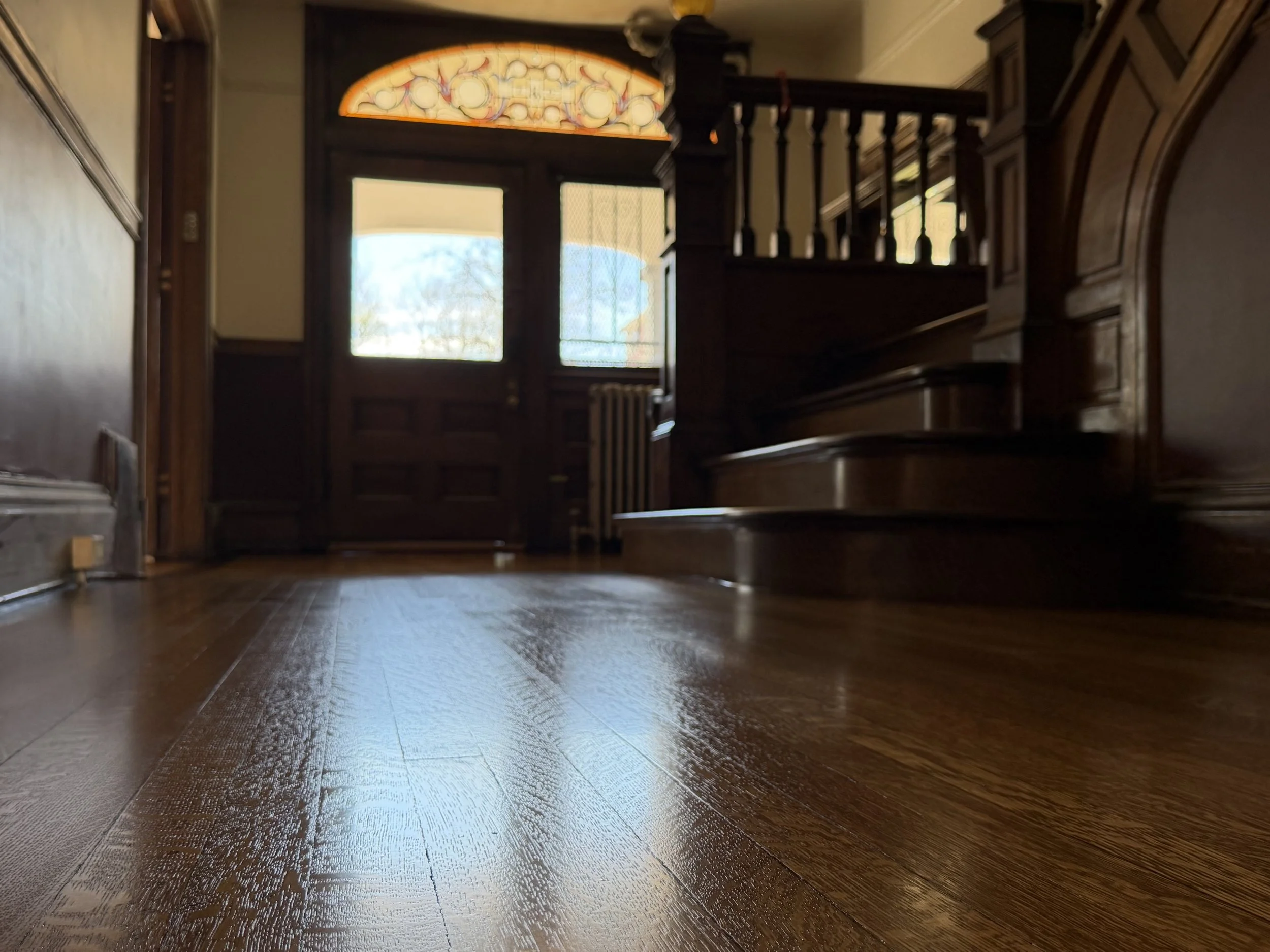
LVP vs. Hardwood Flooring in Colorado: An Honest Evaluation from 30+ Years in the Flooring Industry
/In regard to flooring, there are a variety of options available on the market today. Setting aside options like tile and carpet, a consumer’s decision often comes down to a few key options. Two of the primary options available today are Luxury Vinyl Plank (LVP) and traditional hardwood flooring (hardwood).
Each of these floor types are unique in their installation and maintenance requirements. Additionally, each of these floor types also has varying impacts on your family’s health and the value of your home. Here, we’d like to share our experience with these two floor types for Colorado homes, coming from 30+ years of experience working in the flooring industry.
History and Background of Flooring Materials
Floors have been around for almost as long as there were houses and homes.
In ancient times, rock, stone, clay, and other natural materials were used to create flooring. Then came tile, wood flooring, and carpet.
In the past 100 years, synthetic flooring variants have also arisen, including laminate and LVP.
What is traditional hardwood flooring?
Traditional hardwood flooring—or simply hardwood flooring—is the most classic way to floor a home. Hardwood flooring has been around for thousands of years.
Hardwood floors began to develop in the middle ages with simple planks that were cut from timber.
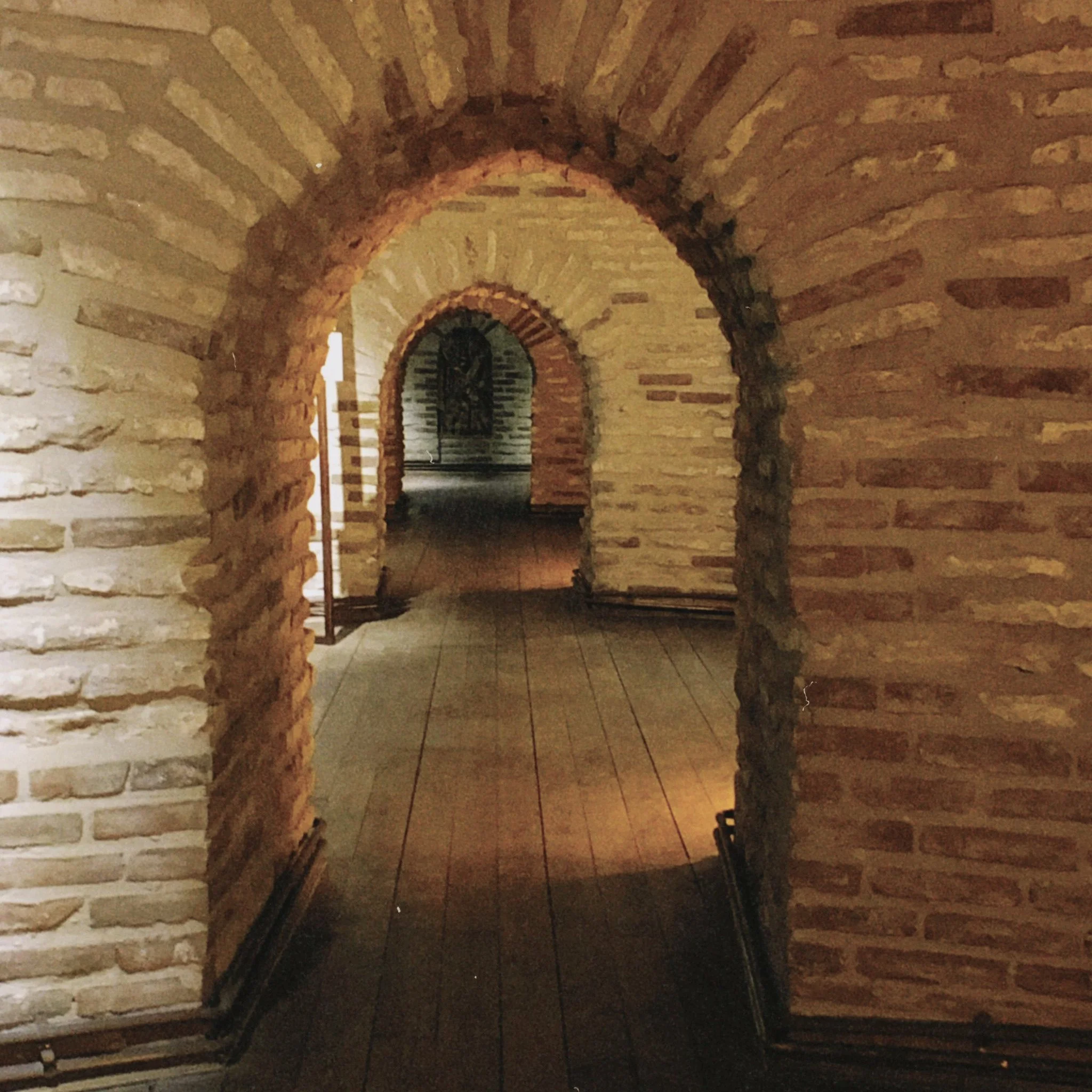
Example of old hardwood floors in a medieval home
In the coming years, hardwood floors began to be installed with intricate designs, stained, and finished—creating beautiful works of art. In this way, hardwood floors became a symbol of luxury in places like England, France, and eventually the United States.
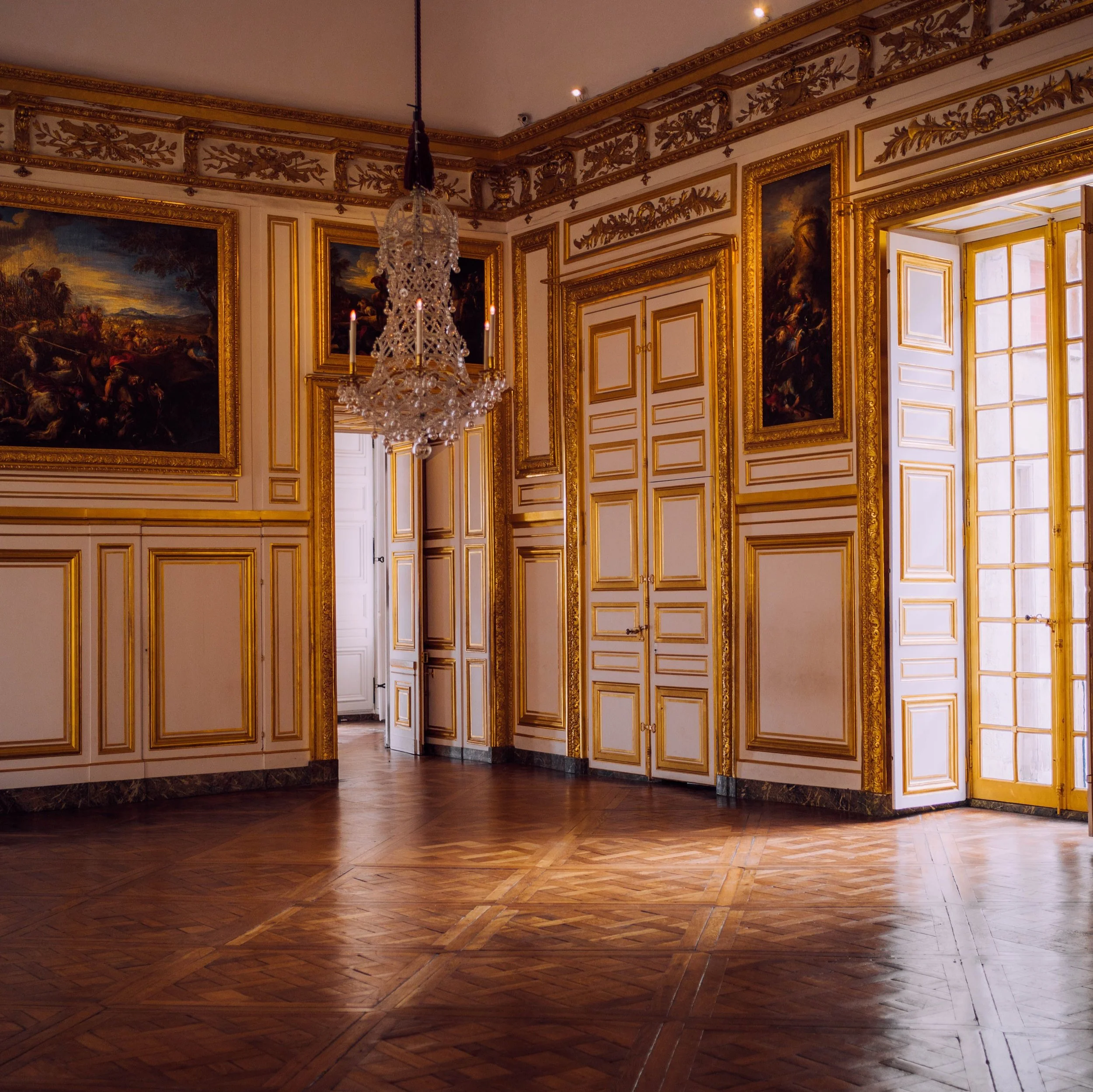
Example of Luxurious Hardwood Floor in the Grand Trianon in France
Hardwood flooring comes in planks, often with tongues and grooves. They are installed, then they are sanded and finished to create beautiful, smooth flooring that illuminates a home.
It is recommended that hardwood floors are installed by professionals due to the complexities of their materials, necessity of understanding how to acclimate and educate customers on how to properly care for their wood floors (including how seasonal moisture changes can effect them) and the skill required to sand and finish them properly in an ever changing world of how products are formulated and work together.
What is Luxury Vinyl Plank (LVP)?
Luxury Vinyl Plank—often abbreviated as LVP—is a synthetic floor material that is mostly made of polyvinyl chloride (PVC). These floors are often designed with the intention of mimicking traditional hardwood floors or matching trending architectural design. LVP comes in planks with “click together” tongues and grooves that can be “floated” on top of subfloors and/or concrete slabs.
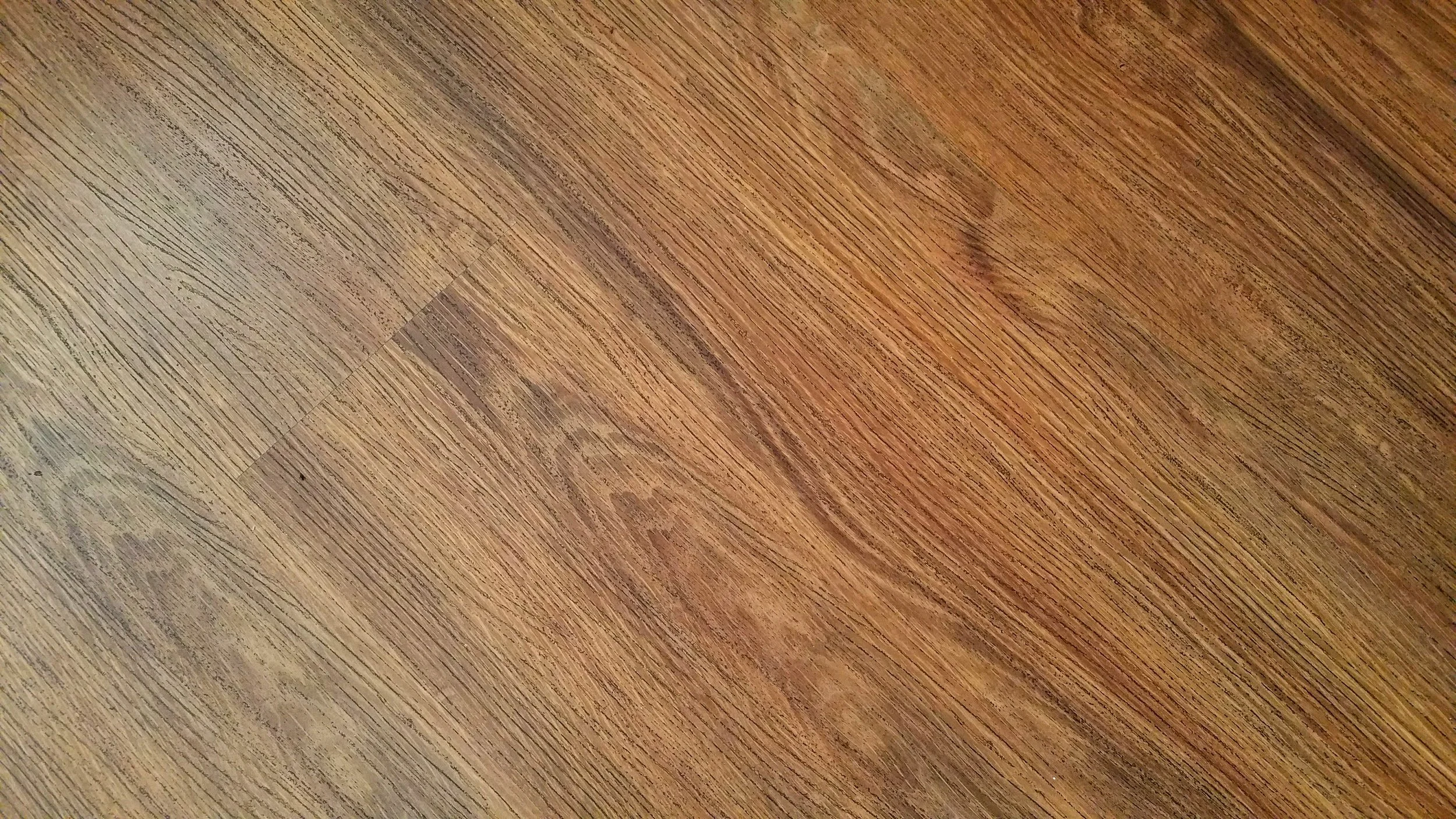
Image of An LVP that is Meant to mimic a hardwood floor up-close, which shows a distinctly different texture than authentic hardwood floor
Over the past few years, LVP has grown in popularity because it tends to be lower in cost than a traditional hardwood floor. LVP also tends to be durable and somewhat water-resistant, which are appealing traits for those who have pets and young families.
Hardwood vs. LVP: The Costs, Benefits, and Pitfalls
In the past decade, more families and homebuilders have begun to use LVP in place of traditional hardwood floors because it tends to be cheaper upfront. Additionally, LVP is relatively water-resistant, and it can be more durable than hardwood. These selling points are often intriguing to families with children and pets. However, LVP has a lot of long-term costs and pitfalls, too.
What Are the Costs and Values of Different Floor Types?
Upfront Cost of Hardwood and LVP
For an initial installation, hardwood is more expensive than LVP. This is because hardwood is made with raw, organic wood that is milled into planks. These natural materials require more time and energy to construct. Additionally, hardwood must be sanded and finished by a hardwood floor professional to create a smooth, cohesive floor that is resistant to scratches and spills.
LVP is less expensive than hardwood to purchase and install. This is because it is made with synthetic plastic that is cheaper to produce, and it does not need to be professionally finished after the planks are installed.
Long-Term Costs of Hardwood and LVP
In order to keep floors beautiful, functional, and in great condition, hardwood flooring requires intermittent maintenance by a professional sand and finisher. Although this maintenance is a cost associated with hardwood floors, regular maintenance can allow a high-quality hardwood floor to last hundreds of years, meaning you will never need to reinstall flooring.
LVP, on the other hand, does not require intermittent maintenance because it cannot be sanded or refinished. This gives LVP a short-term cost savings.
On the flip side, if LVP buckles, chips, or scratches, there is virtually no way to repair it without reinstalling the flooring. This means in some cases LVP can end up being more expensive in the long run, because families may need to reinstall planks or even the entire floor multiple times.
Value of Hardwood and LVP
Hardwood flooring significantly increases the value of a home. For example, in Colorado, the selling price of a home can see an increase in the range of $10,000 to $25,000+ just for having hardwood floors instead of synthetic floors. This is because hardwood is beautiful, luxurious, and stands the test of time.
LVP does not significantly impact the value of a home. So, although it may be cheaper to install initially, in the long-run it will not yield the same investment as installing new hardwood or repairing existing hardwood floors.
Hardwood vs. LVP: Cost, Lifespan, Maintenance, and Home Value
| Cost or Value Factor | Hardwood Flooring | Luxury Vinyl Plank (LVP) |
|---|---|---|
| Initial Material Cost |
|
|
| Initial Installation Cost |
|
|
| Ongoing Maintenance |
|
|
| Repairability |
|
|
| Expected Lifespan |
|
|
| Replacement Costs |
|
|
| Short-Term Cost Advantage |
|
|
| Impact on Home Value |
|
|
| Potential Colorado Home Value Impact |
|
|
| Long-Term Investment |
|
|
What Are the Health Impacts of Different Flooring Materials?
Although this doesn’t initially come to mind when most people consider their flooring material, different flooring materials can have different implications for health. This means the health of your family is actually an important consideration when selecting a flooring material for your home.
LVP and Volatile Organic Compounds (VOCs)
LVP is known to emit compounds called Volatile Organic Compounds, or VOCs. Although these compounds are increasingly common in our daily life, VOCs can have deleterious effects on our long-term health. For example, an article published in the Journal of Exposure Science and Epidemiology from Nature found that vinyl flooring was associated with higher levels of a compound called butylbenzyl phthalate, which is known to cause airway inflammation, asthma, among other health complications.
Traditional wood flooring comes from organic, raw, natural materials. Although it can be coated with synthetic materials that can initially omit VOCs during finishing, there are many health-conscious products on the marketplace, such as modern water based finishes or penetrating oils such as Loba’s environmentally conscious products.
Overall, wood floors are the healthier option. However, if you do choose to use LVP flooring, make sure to pick a non-toxic brand.
The Verdict: Are Hardwood Floors the Superior Choice for Colorado Homes?
Although LVP can seem tempting at first glance, the costs and benefits make the answer quite clear: hardwood floors are the superior choice for Colorado homes. Not only is hardwood flooring more luxurious and long-lasting, but it has the potential to add significant value to your home. Installing new hardwood floor or repairing and refinishing your existing hardwood floor is an investment that simply cannot be matched by LVP.
Want to learn more? We are here to answer any questions you have! Contact us to find out what flooring type is right for your Colorado home.
Frequently Asked Questions (FAQ): LVP vs. Hardwood Flooring
-
No, despite what LVP marketers will claim, LVP is not better than hardwood. Homeowners should consider the benefits and pitfalls of different flooring materials.
Homeowners in Colorado should especially consider the economic benefits of hardwood floors as a long-term investment.
-
In Colorado, hardwood floors can significantly increase the cost of a home. Homes with hardwood floors can sell for $10,000 - $25,000 more than homes with other types of flooring such as LVP.
-
Hardwood flooring is one of the longest lasting floor types when it is properly cared for and maintained. As a matter of fact, many European buildings still have hardwood floors from the 17th and 18th centuries.
-
Although many brands try to replicate hardwood flooring with LVP, nothing can match the aesthetic of hardwood flooring. In addition to appearance, most people prefer the texture of finished hardwood floors.
-
Many floor types can work in Colorado. If wood floors are maintained, they are a great choice for Colorado homes.